The arsenals
we forgot
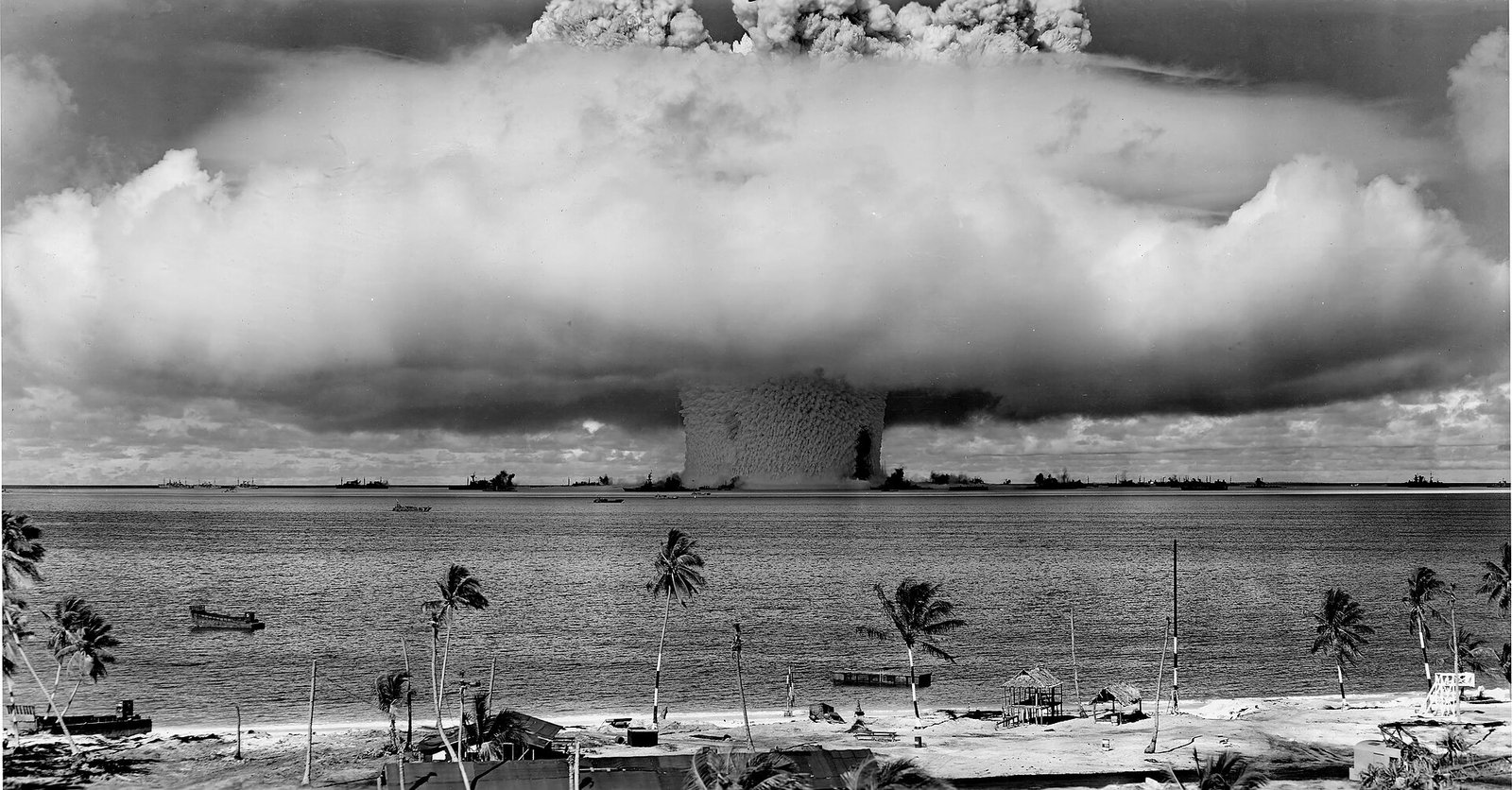
At the peak of the Cold War, humanity had built more than 60,000 nuclear warheads — enough to end modern civilisation many times over.
Two countries account for the overwhelming majority: Russia, with roughly 4,400 warheads, and the United States, with around 3,700. Everyone else — China, France, the United Kingdom, India, Pakistan, Israel and North Korea — together holds a small fraction of the total.
The good news hides in the shape of the curve: after 1986, arms-control treaties cut the superpower stockpiles dramatically, and the world total fell from tens of thousands to around twelve thousand. The quieter news is horizontal spread — the number of states that hold the weapon has kept rising.
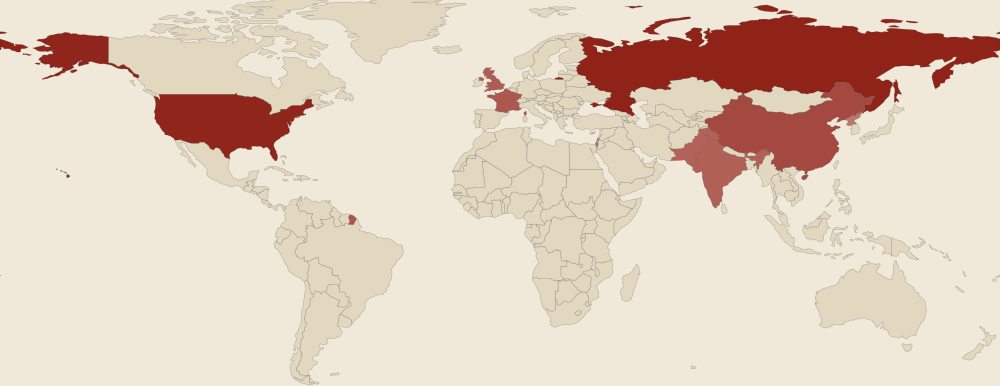
Fewer weapons, held by more hands: the Cold War arithmetic got smaller, but not necessarily simpler.