Who caused
climate change?
When we argue about climate change today, we point at the biggest current emitter — China. But the atmosphere doesn't care about this year's output. It keeps a running total.
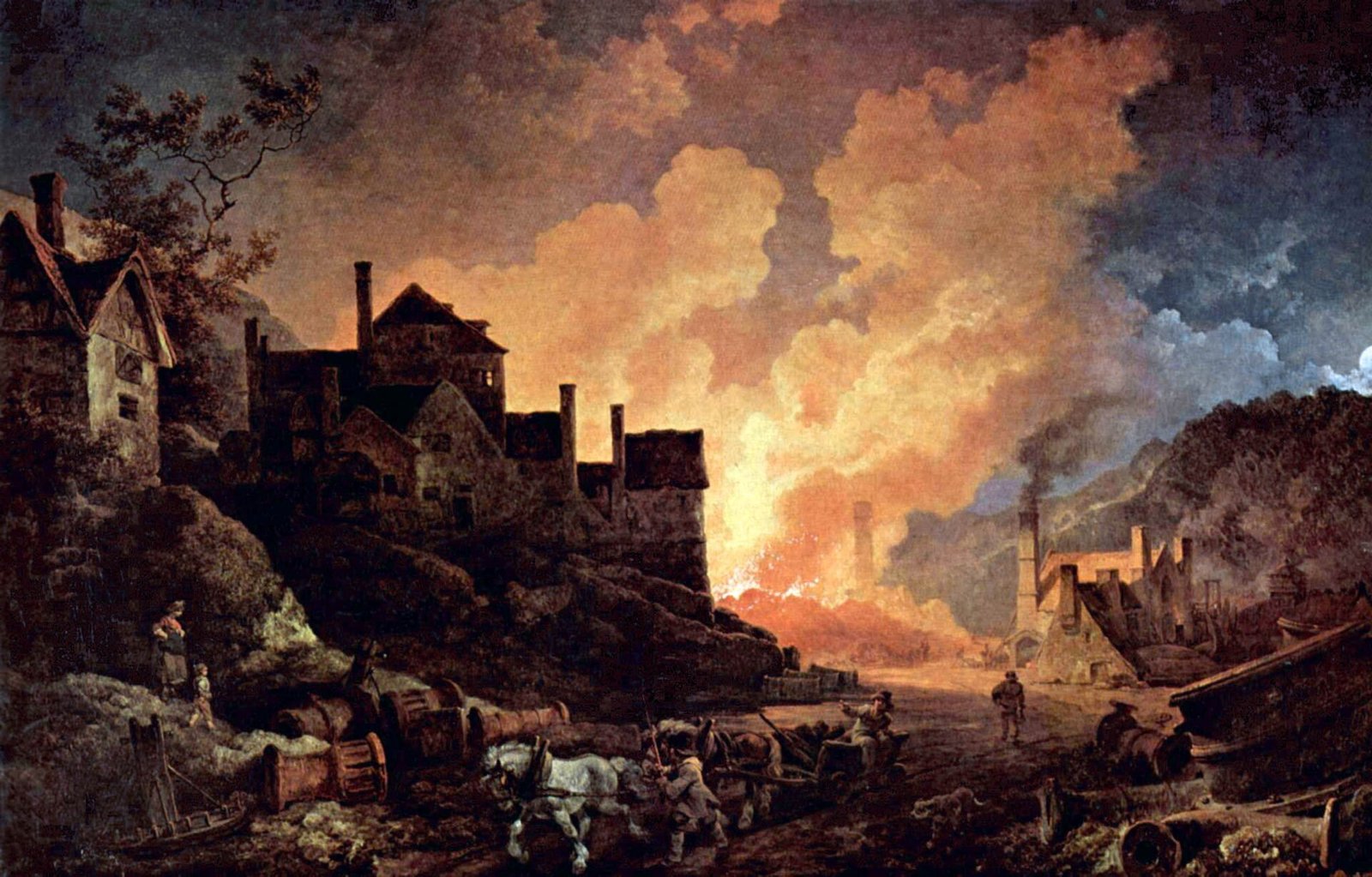
The gases that warm the planet accumulate. A tonne of CO₂ released in 1900 is, broadly, still up there doing its work a century later. So the honest question isn't who emits most now? — it's who has emitted most, ever?
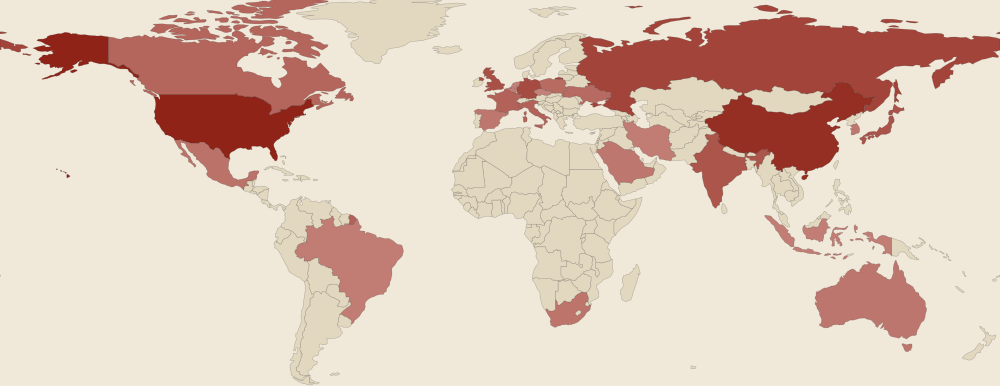
Add up every tonne since 1900 and the United States leads by a wide margin: around 435 billion tonnes, roughly a quarter of all cumulative emissions — from a country that is about 4% of the world's population. Europe, which industrialised first, holds much of the rest. China, for all its recent growth, only climbed the all-time ranking in the last two decades.
Seen on a map, the responsibility for the carbon already in the air is overwhelmingly a story of the early industrialisers — North America and Europe — with China as the one recent giant.
None of this settles who should pay for what. But it reframes the argument: responsibility for the stock of carbon in the air is not the same as the flow leaving smokestacks today. Most climate negotiations are, underneath, a fight over which of those two numbers counts.