Demographics · Deep dive
New York,
New York,
dethroned
In 1950 the largest city on Earth was New York. It has not held the title for a single year since.
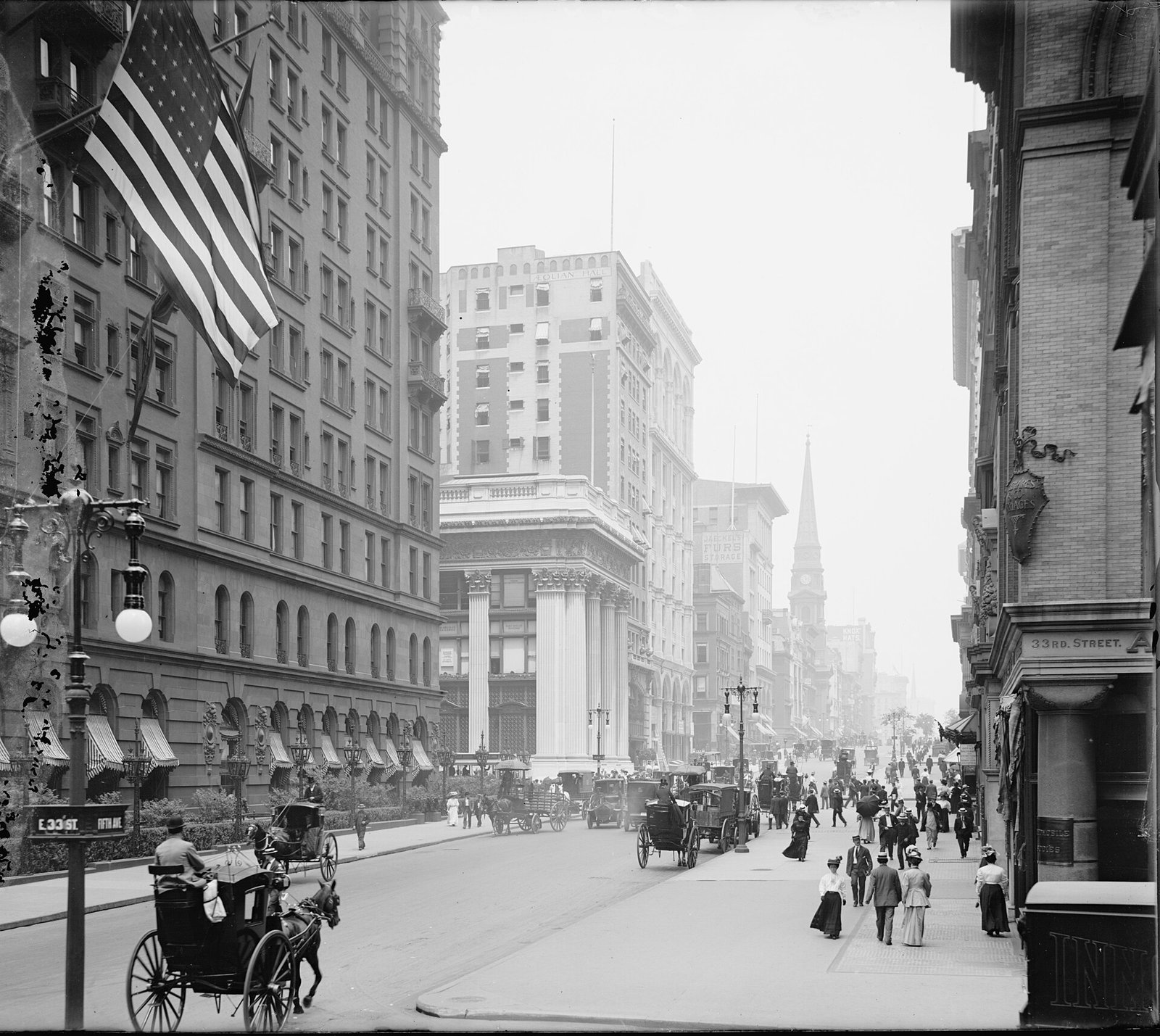
For most of the last century, the world's largest cities were in the West — New York, London, Paris. Then the centre of gravity moved. By the mid-1950s Tokyo had taken the lead, and it held on for decades. The ranking below has been changing hands ever since.
Greater Tokyo — about 38 million people — is larger than the entire population of Canada.
Today the biggest urban areas are almost all in Asia and the global South: Tokyo, Delhi, Shanghai, São Paulo, Mexico City, Dhaka, Cairo. The West still has enormous, wealthy cities — but the record-holders now sit where the century's population growth actually went.
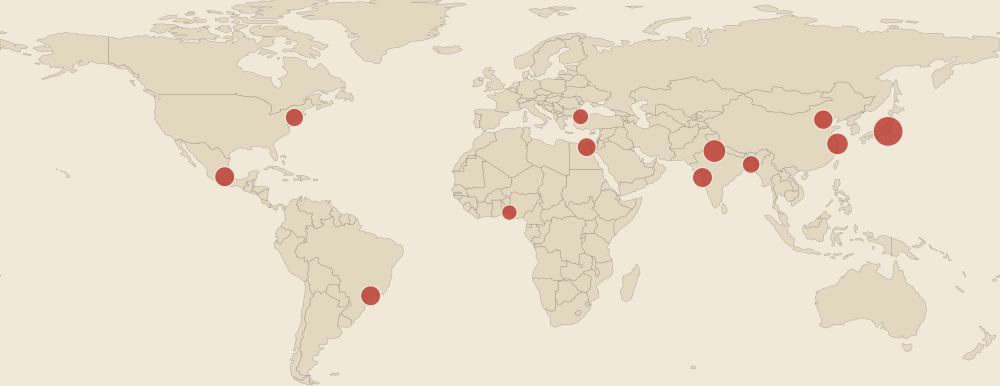
A ranking of cities is really a ranking of the century itself — a map of where the people arrived.
Source: UN World Urbanization Prospects (2018), via Our World in Data (CC BY).
Test your intuition